
Evidence

Recognising the value of the sudomotor function test

Before exploring the robust clinical data backing Sudometrics and the sudomotor (sweat) function test, it’s important to consider the significant and long-established body of evidence highlighting that:

  • sudomotor function testing is a powerful predictor of serious diabetes-related foot complications—including ulcers and amputations
  • diabetic peripheral neuropathy is a major complication in both type 1 and type 2 diabetes and can occur early, even before hyperglycaemia
  • testing for signs of small nerve fibre damage can predict diabetes-related foot issues earlier than testing for signs of  large fibre damage.
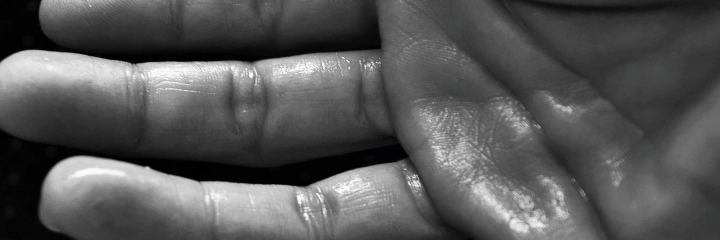
A close-up picture of a sweating hand

Sudomotor dysfunction is an early detectable abnormality in distal small fibre neuropathy

Illigens B.M.W., Gibbons C.H. (2009)

A picture of an alarm clock

Advantages of early diagnosis of diabetic neuropathy

Sanz-Corbalán I., Lázaro-Martínez J.L., García-Morales E. et al. (2018)

A close-up picture of a cornea

The role of small fibre neuropathy in the diagnosis of diabetic polyneuropathy

Malik R., Veves A., Tesfaye S. et al. (2011)

Close-up illustration of nerve networks

Diabetic peripheral neuropathy is a major complication in type 1 and 2 diabetes

Duarte J. (2017)

Clockwork machinery, depicting accuracy

Early detection of diabetic peripheral neuropathy: a focus on small nerve fibres

Burgess J., Frank B., Marshall A. et al (2021)

Clinical validation: the science behind Sudometrics and the sudomotor (sweat) function test

The sudomotor (sweat) function test stands out as a clinically sound, non-invasive tool that reliably detects early diabetic neuropathy by assessing sudomotor function. Its high sensitivity, particularly for small-fibre and autonomic nerve damage, enables accurate prediction of complications such as foot ulcers.

The simplicity and ease of self-administration of the device facilitate widespread screening in diverse settings, from outpatient clinics to care homes and because it is entirely objective and therefore easy to interpret it can do so regardless of variables such as language and cognition with near 100% clinically proven reproducibility.

Strong concordance with established diagnostic methods underscores its reliability, while its cost-effectiveness supports integration into routine diabetes care, ultimately enhancing early diagnosis and timely intervention to reduce morbidity.
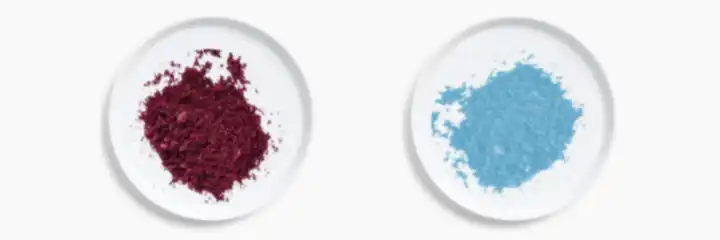
Cobalt II in maroon and blue forms

A Simple and Rapid Quantitative Sweat Test Based on Cobalt Chloride Colour Change

Moser J., Kriehuber E., Trautinger F. (2012)

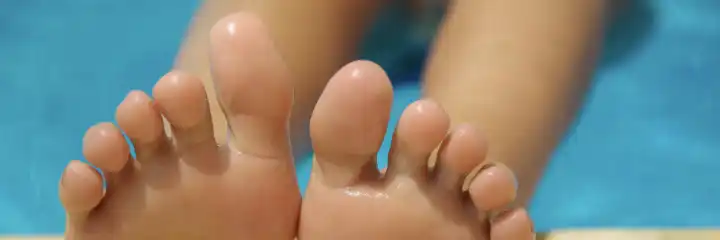
A pair of moist feet

Diagnostic Utility of the Sudomotor Function Test Neuropad in Patients with Diabetes

Ponirakis G., Fadavi H., Petropoulos I. et al. (2015)

White shocks on a blur background, representing nerves

High Diagnostic Performance of the Indicator Plaster Neuropad for the Detection of Established Diabetic Autonomic Neuropathy

Zografou, I., Doukelis P., Koufakis T. (2025)

A row of identical houses next to each other, intended to illustrate the reproducibility of the SFT

Test–retest reproducibility of Neuropad® found to be robust

Papanas N., Papatheodorou K., Papazoglou D. et al. (2005)

Scrabble letters spelling out the word EASY, to illustrate the proven ease of use of Neuropad 10-Minute screening test

Neuropad® user experience found to be simple to use for self-administration

Tentolouris N., Achtsidis V., Marinou K. et al (2008)

A magnifying glass being used to magnify a view of nerve tissue (illustration)

Neuropad®: A reliable, non-invasive tool for early detection of diabetic neuropathy
Quattrini C., Jeziorska M., Tavakoli M. et al. (2008)

A blue and pink mixed sweat detection pad with the Sudometrics logo overlaid on it

Diagnosis of diabetic neuropathy using simple somatic and a new autonomic (Neuropad®) tests in the clinical practice

Kamenov Z.A., Petrova J.J., Christov V.G. (2010)

Clockwork machinery, depicting accuracy

Accuracy of the Neuropad® Test for the Diagnosis of Distal Symmetric Polyneuropathy in Type 2 Diabetes

Papanas N., Paschos P., Papazoglou D. et al. (2011)

Sweets forming the shape of the word diabetes

Study underscores the utility of Neuropad® as a non-invasive, reliable tool for early detection of diabetic neuropathy

Ishibashi F., Kojima R., Kawasaki A. et al. (2014)

A dart board showing a dart in the bullseye

Neuropad® excels in detecting early small-fibre neuropathy in diabetes

Ponirakis G., Petropoulos I.N., Fadavi H. (2014)

A flag of Colombia

Neuropad® detects hidden autonomic nerve damage in Colombian patients with type 2 diabetes
Mendivil C.O., William Kattah W., Orduz A. et al. (2016)

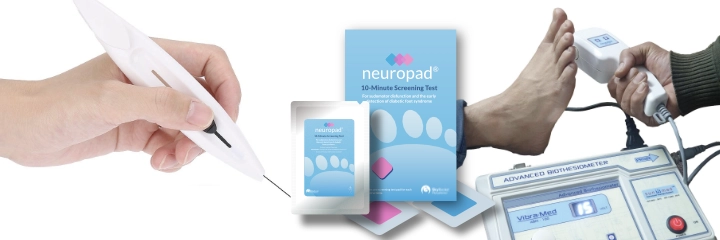
A 10mg monofilament, a Neuropad 10-Minute Screening Test and a biothesiometer

Comparing Neuropad® to the 10g monofilament and biothesiometer

Zografou I., Iliadis F., Sambanis C. et al (2019)

A number of ten pound notes

Use of Neuropad® as a screening test shown to be highly cost-effective

Rodríguez-Sánchez, B., Peña-Longobardo L. M., Sinclair A.J. (2020)

A cracked and dried river bed with the Sudometrics logo overlaid

In prospective observational study, Neuropad® detects foot skin dryness, predicting diabetic foot ulcer risk early and accurately

Panagoulias G., Eleftheriadou I., Papanas N. et al. (2020)

Veins of a leaf, used to represent the vascular structures of the human body

Neuropad® and clinical guidelines align to enhance early detection of diabetic peripheral neuropathy

Chicharro-Luna E., Ortega-Avila A.B., Requena-Martínez A. et al. (2021)

A woman sits smiling behind a bouquet of flowers

Neuropad® 10-Minute Screening Test® recommended for use in a care home setting

Sinclair A. et al. (2022)