

A Simple and Rapid Quantitative Sweat Test Based on Cobalt Chloride Colour Change
A Simple and Rapid Quantitative Sweat Test Based on Cobalt Chloride Colour Change
Moser J., Kriehuber E., Trautinger F. | Skin Pharmacology and Physiology (2012)
This short communication, authored by researchers from the Karl Landsteiner Institute for Dermatological Research and Novartis Institutes for Biomedical Research in Austria, was published in the journal Skin Pharmacology and Physiology in 2012.
The study introduces and evaluates a simple, low-cost, and quantitative sweat test using Neuropad®, a cobalt-chloride-based patch originally developed to screen for diabetic neuropathy. The authors sought to determine whether Neuropad could also serve as a reliable tool to measure sweat production – a crucial parameter in diagnosing and monitoring various conditions involving altered sweating, including hyperhidrosis and autonomic dysfunction.
Methods
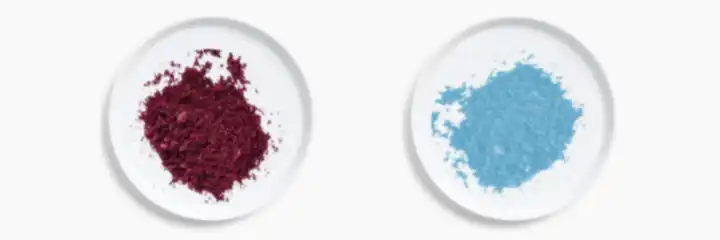
The study utilized commercially available Neuropad® patches, which contain a cobalt chloride indicator that changes from blue to pink upon exposure to moisture (specifically, sweat). The research tested two main scenarios:
- Controlled fluid application in vitro: Saline (0.9% NaCl) was pipetted in precise volumes onto the patch. The colour change was digitally scanned and analyzed using histogram-based red-channel intensity in Adobe Photoshop.
- In vivo human trials:
- A volunteer underwent exercise-induced sweating using a bicycle ergometer.
- Patches were applied to symmetrical body sites, one of which had been pretreated with an antiperspirant (aluminum chloride) over 5 days.
- Sweat accumulation over time and across locations was measured by removing patches at various time points (7-13 minutes) and analyzing colour change.
Results
- The colour intensity (red channel) of the patch increased with higher fluid volumes, both in saline and real sweat, indicating a strong and quantitative relationship between moisture and hue.
- Sweat rates varied by body location, with the abdomen showing the highest secretion and thighs the lowest.
- Antiperspirant use led to a 25% reduction in sweat production, demonstrating the patch’s potential for evaluating treatment efficacy.
- Sweat accumulation over time was linear, making it feasible to calculate accurate sweat rates (e.g. 0.136 μl/cm²/min on the abdomen).
Importantly, the method proved to be highly sensitive, detecting even small changes in moisture. Untreated control pads did not respond to ambient humidity, confirming that results were not biased by environmental conditions.
Discussion
Compared to traditional sweat tests (e.g. Minor’s iodine-starch test, gravimetric filter paper, or silicone impressions), the Neuropad method offers key advantages:
- No specialist equipment required
- Rapid, low-cost, and repeatable
- Quantitative results achievable with common office tools (scanner + software)
The Neuropad test stands out particularly in clinical research and dermatology, where routine, non-invasive and reproducible measurement of sweating is often lacking. Unlike older dye-based methods that are only semi-quantitative, Neuropad allows digital colour analysis for objective measurement.
However, limitations include:
- Unsuitability for hairy skin or areas with prior irritation
- The possibility of colour saturation during heavy sweating
- Inability to measure individual gland activity, only cumulative sweat per area
Nevertheless, these issues are minor compared to the method’s strengths, especially given its practicality in both research and clinical contexts.
Conclusion
The study concluded that Neuropad® is an effective, sensitive, and scalable tool for measuring sweat production. Its simplicity and affordability make it especially attractive for use in:
- Evaluating hyperhidrosis or anhidrosis
- Monitoring neurological conditions affecting sweat function
- Testing antiperspirant efficacy
- Potentially even assessing transepidermal water loss, if extended to longer wear times
By adapting an already-approved medical product (Neuropad), the researchers demonstrated how a tool initially created for diabetic neuropathy can be successfully repurposed for broader dermatological and autonomic diagnostic use.