

High blood sugar damages blood vessels
High blood sugar can damage the small blood vessels (vasa nervorum) that supply nerves with biological nutrients. In addition, the nerves can be damaged directly.
Because they lack a myelin insulating sheath, C fibres and small unmyelinated autonomic fibres, like those involved in autonomous functions such as those that produce sweat, have less protection and a slower repair capacity.
Although diabetes ultimately affects both myelinated and unmyelinated nerve fibres, unmyelinated nerves are more vulnerable to chronic metabolic damage and tend to degenerate earlier than their myelinated counterparts.
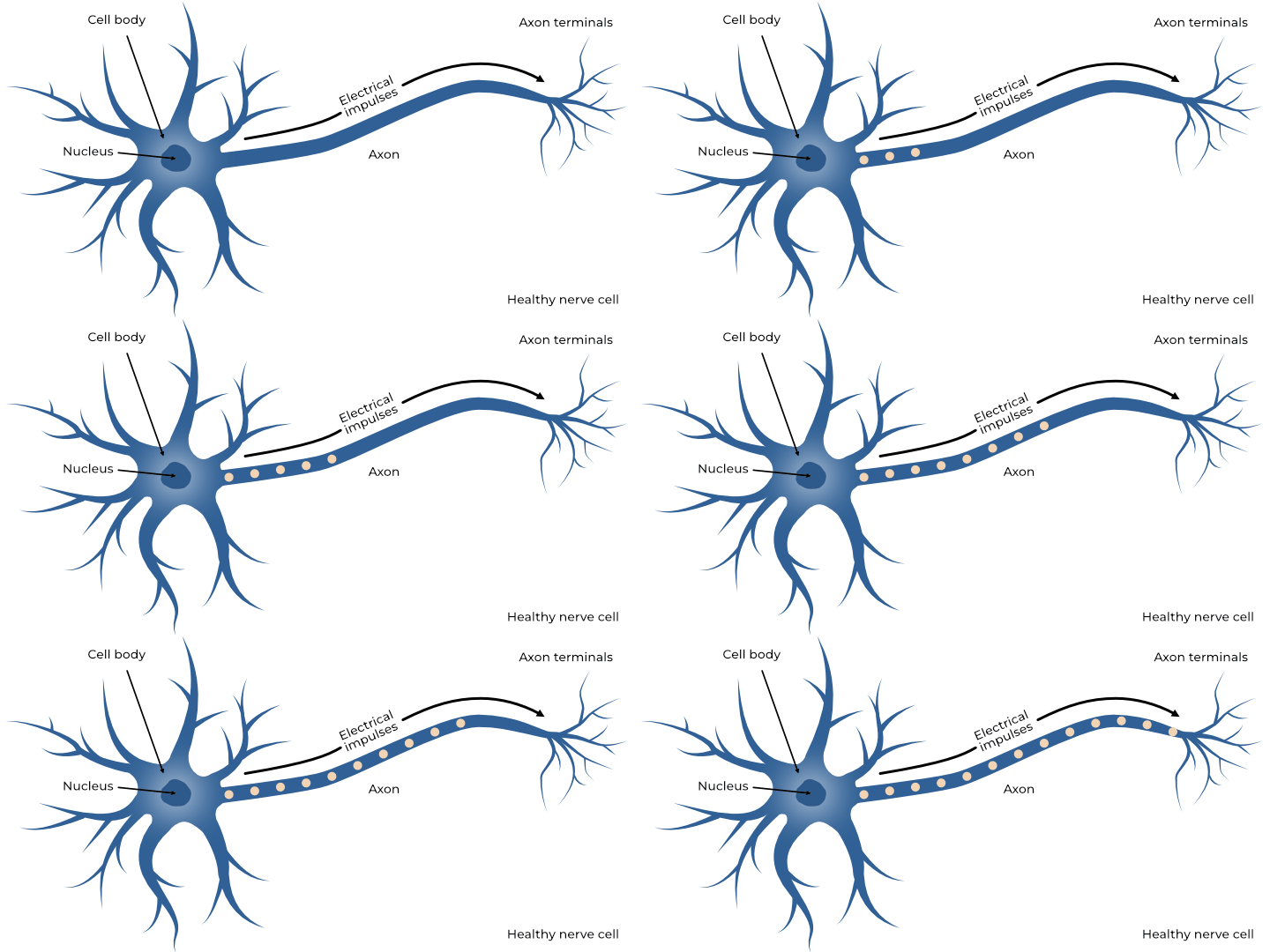
Nerve cells degenerate
The axon breaks down, especially at the far end (distal part) and signal conduction is impaired or lost entirely. The electrical signal (action potential) may fail to propagate effectively down the axon.
The axon terminals may die back, so signals may not reach the next cell (e.g., a muscle or another neuron).
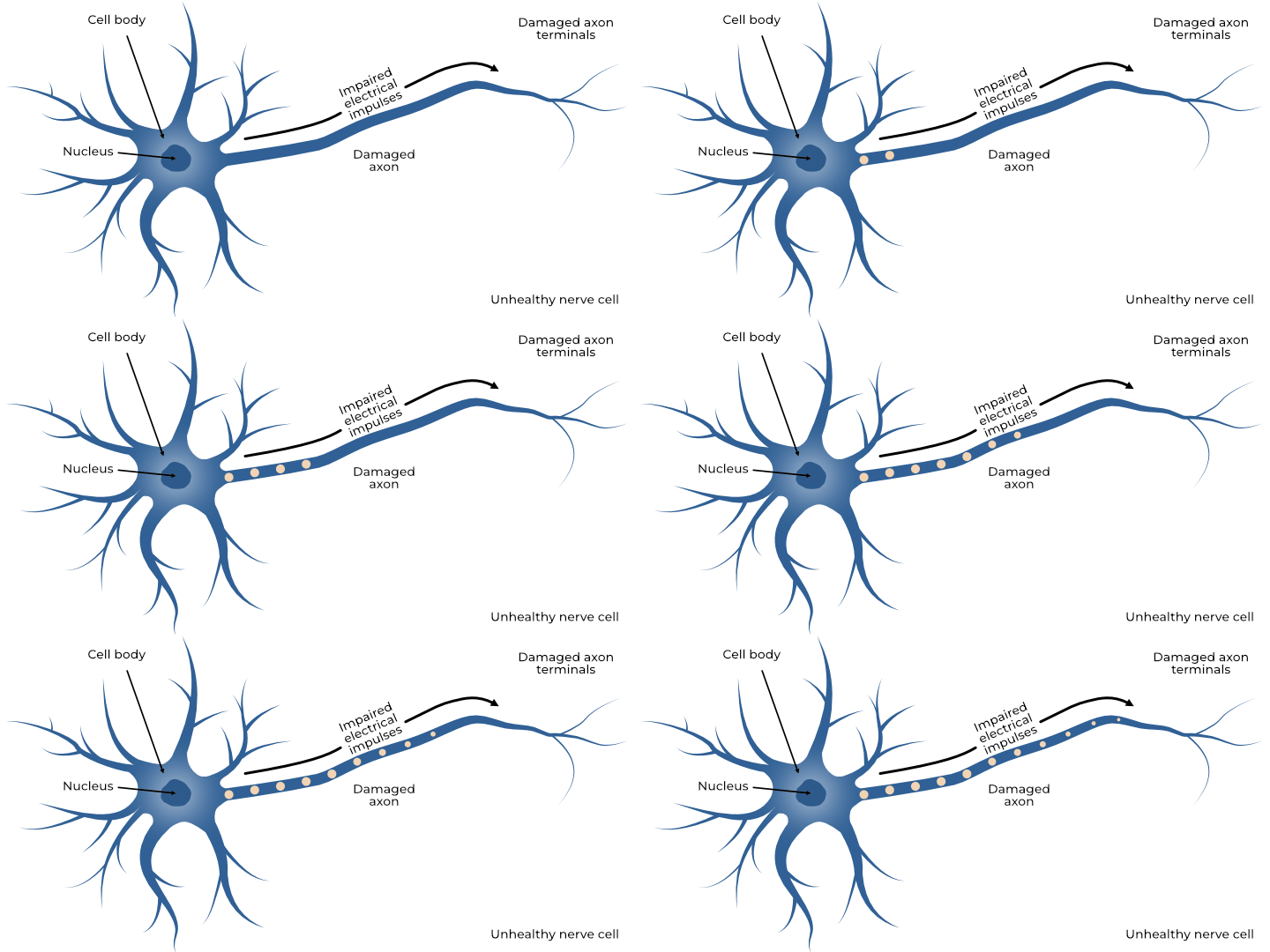
The result is loss of function
Patients may lose the ability to produce sweat, feel pain or temperature.
And over time, these less noticeable injuries can develop into serious complications such as ulcers and infections. In severe cases, they may lead to amputation.
And yet, if the early warning signs had been detected, the majority of these serious complications could have been avoided.



Diabetes causes more than 180 amputations in the UK every week
That’s over 9,000 per year in the UK alone.
But many are preventable with the right screening and care.